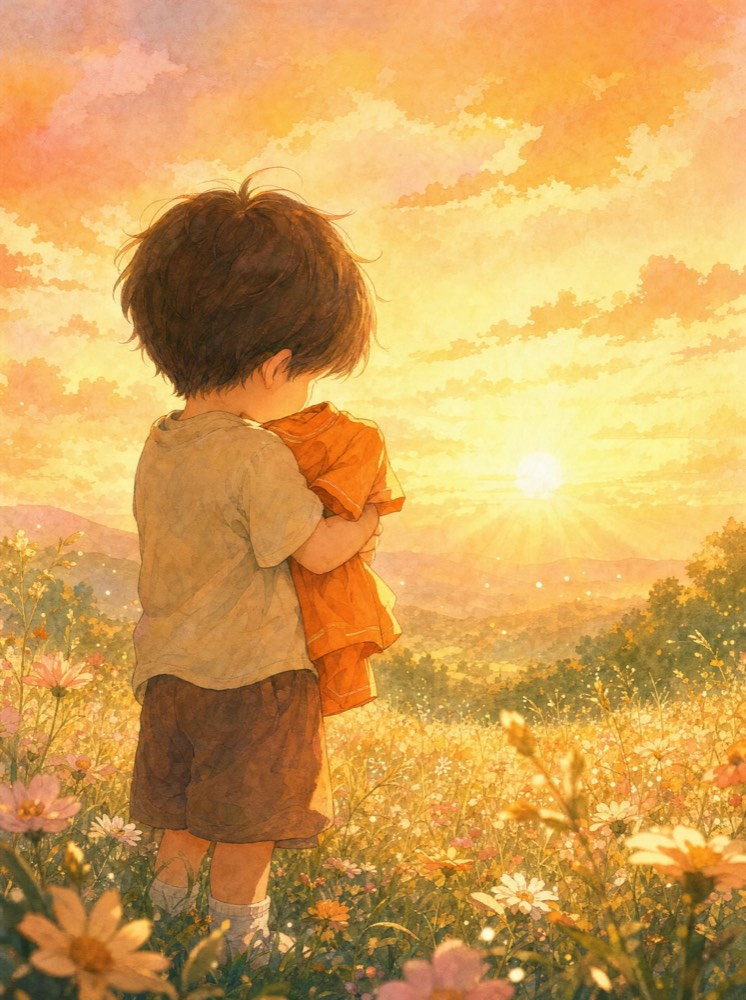
Orange Shirt Day for Kids: The Brave Heart of Phyllis
Every year on September 30, people across Canada wear an orange shirt. Children ask why — and it is one of the most important questions a family can sit with together. The honest, gentle answer is a story about a little girl, a brand-new orange shirt, and a kind of bravery that still matters today. Our new bonus episode in the Brave Moments series, The Orange Shirt and the Brave Heart of Phyllis, was made to help you share that story at bedtime — softly, truthfully, and with love.
What this story is about
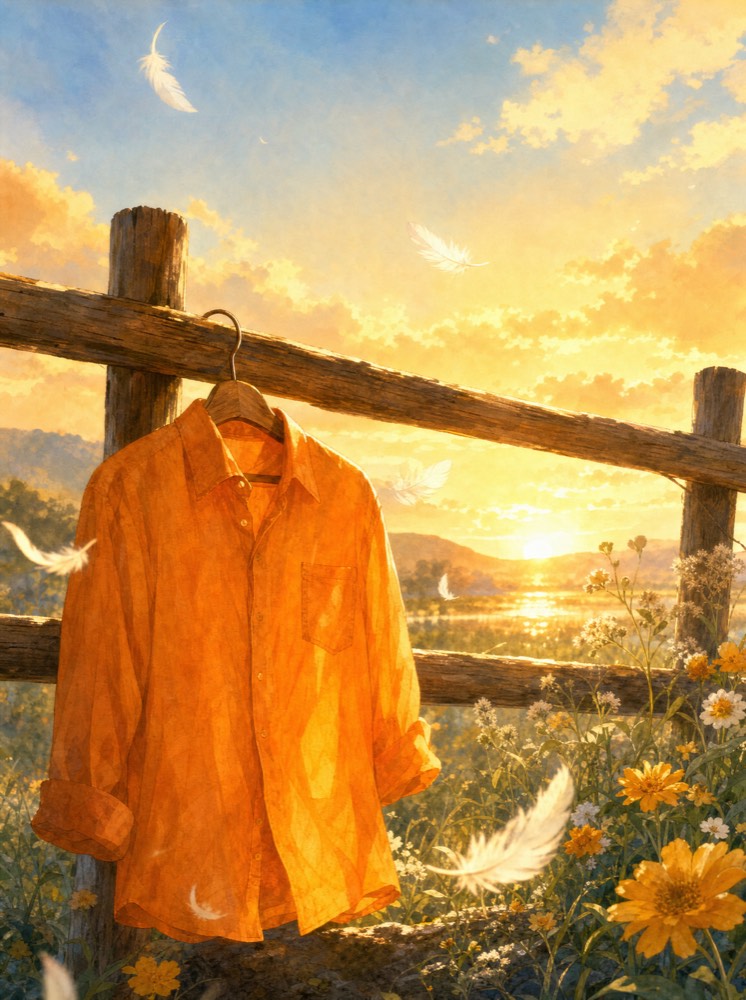
This is a true story, told for children roughly ages five to ten. It follows Phyllis Webstad, a Northern Secwépemc (Shuswap) woman from the Stswecem'c Xgat'tem First Nation in British Columbia. When Phyllis was just six years old, her grandmother saved up to buy her a shiny new orange shirt for her very first day at school. Phyllis loved it. It was bright, it was hers, and she felt proud wearing it.
But the school Phyllis was sent to was a residential school. When she arrived, her orange shirt was taken away, and she never got it back. For Phyllis, the colour orange came to stand for that moment — the feeling that her voice and her feelings did not seem to matter to the grown-ups in charge. The bedtime episode holds this truth carefully: it is honest about the sadness, but it is warm, age-appropriate, and never frightening. It ends where Phyllis's real life led — toward courage, healing, and a promise.
The real history, told gently
For more than a hundred years, Canada ran a system of residential schools, funded by the government and run by churches. More than 150,000 First Nations, Métis, and Inuit children were taken from their families and communities, often far from home, and were not allowed to speak their own languages or practice their own traditions. The last of these schools closed in 1996 — which means this is recent history, within the lifetimes of many grandparents today.
In 2013, Phyllis bravely shared her orange-shirt memory at a reconciliation gathering in Williams Lake, British Columbia. Her story moved so many people that it grew into Orange Shirt Day, now marked every September 30 with the message "Every Child Matters." In 2021, the Government of Canada made that same day the National Day for Truth and Reconciliation, a time to remember the children who went to these schools, honour Survivors and their families, and keep learning.
"Every Child Matters" is not only about the past. It is a promise we make to every child in our lives, tonight and every night.
If you'd like to learn more from the people whose story this is, the Orange Shirt Society and the National Centre for Truth and Reconciliation are thoughtful, trustworthy places to begin. Canada's official National Day for Truth and Reconciliation page offers family-friendly resources too.
What children take away
Hard history, shared with warmth, grows gentle, lifelong strengths. From Phyllis's story, children can carry away:
- Empathy. Understanding how Phyllis felt helps a child notice when a classmate is left out or sad — and choose to sit beside them.
- That their feelings matter. The heart of the story is the opposite of what happened to Phyllis: in your home, your child's voice counts, and they are always heard.
- Courage to speak and to listen. Phyllis was brave enough to tell her story as a grown-up so that other children would be cared for. Listening well is its own quiet bravery.
Child development researchers have long shown that stories are one of the safest ways for young children to meet big feelings and build empathy, and that a calm, connected bedtime strengthens the parent-child bond. Organizations like the American Academy of Pediatrics at HealthyChildren.org point to shared reading and steady routines as everyday ways to support a child's emotional growth. A true story like this one, told kindly, does exactly that.
Try this tonight
- Wear orange together. Even a small orange detail — a shirt, a ribbon, a drawing — gives your child a gentle way to say "Every Child Matters."
- Listen first, talk second. After the story, ask one soft question: "How do you think Phyllis felt?" Let your child lead; there are no wrong answers.
- Make a promise. Tell your child, in your own words, "Your feelings will always matter to me." For Phyllis, that promise was missing; in your home, it is the whole point.
- Keep learning from Indigenous voices. Seek out books and stories by First Nations, Métis, and Inuit authors. This story belongs to Indigenous peoples, and their voices tell it best.
Listen to The Brave Heart of Phyllis
Hear this true story as a gentle bedtime audio tale — part of the Brave Moments series, free on My Sleepy Tale.
▶ Listen Now Explore the full Brave Moments series →Written, narrated & released by Roli Singh on My Sleepy Tale.